Buying in The Vineyards from another state can feel simple at first, until you realize you are not buying into one single neighborhood system. You are choosing among dozens of distinct communities, property types, and governing structures inside a large Naples development. If you want a smooth purchase, the key is knowing what to verify before you sign, what documents to request, and how to line up a remote closing without missing deadlines. Let’s dive in.
Understand The Vineyards Layout
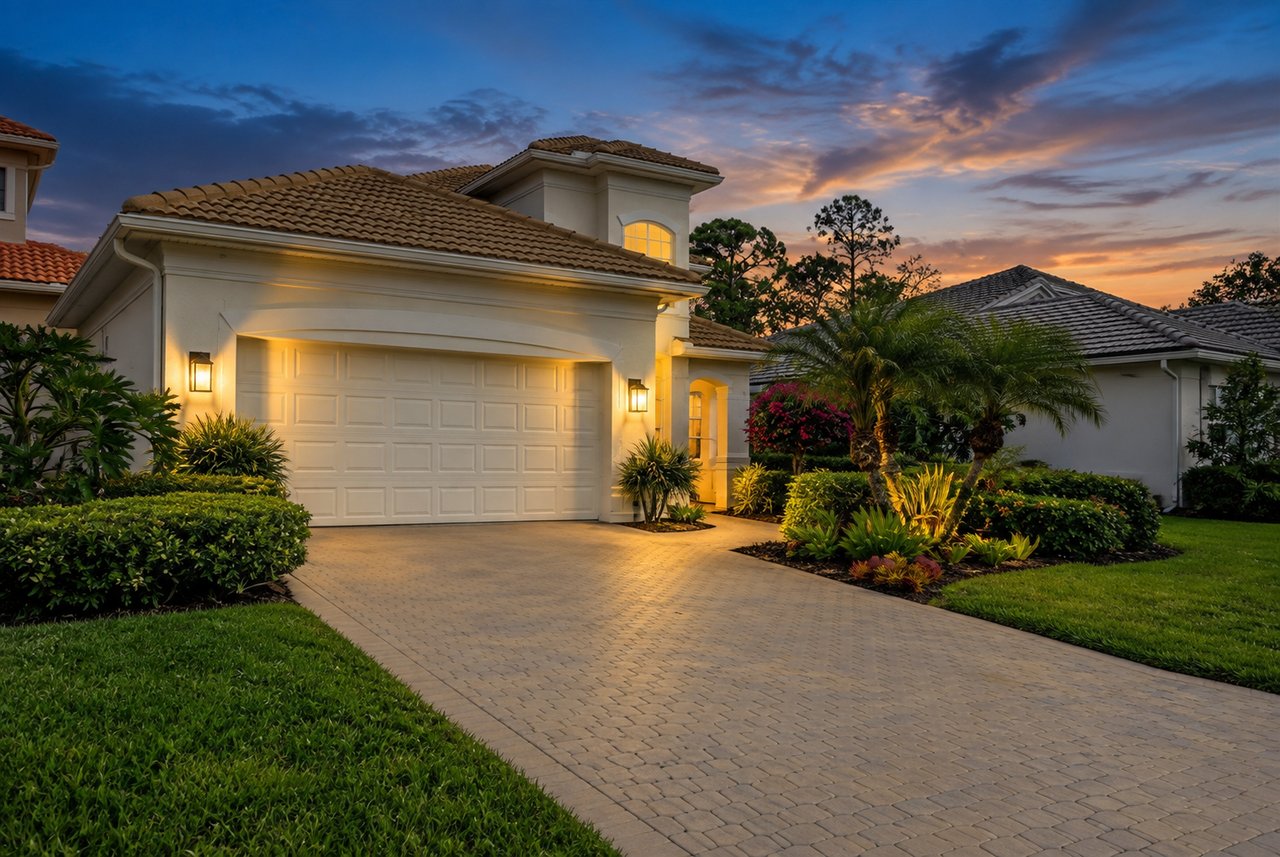
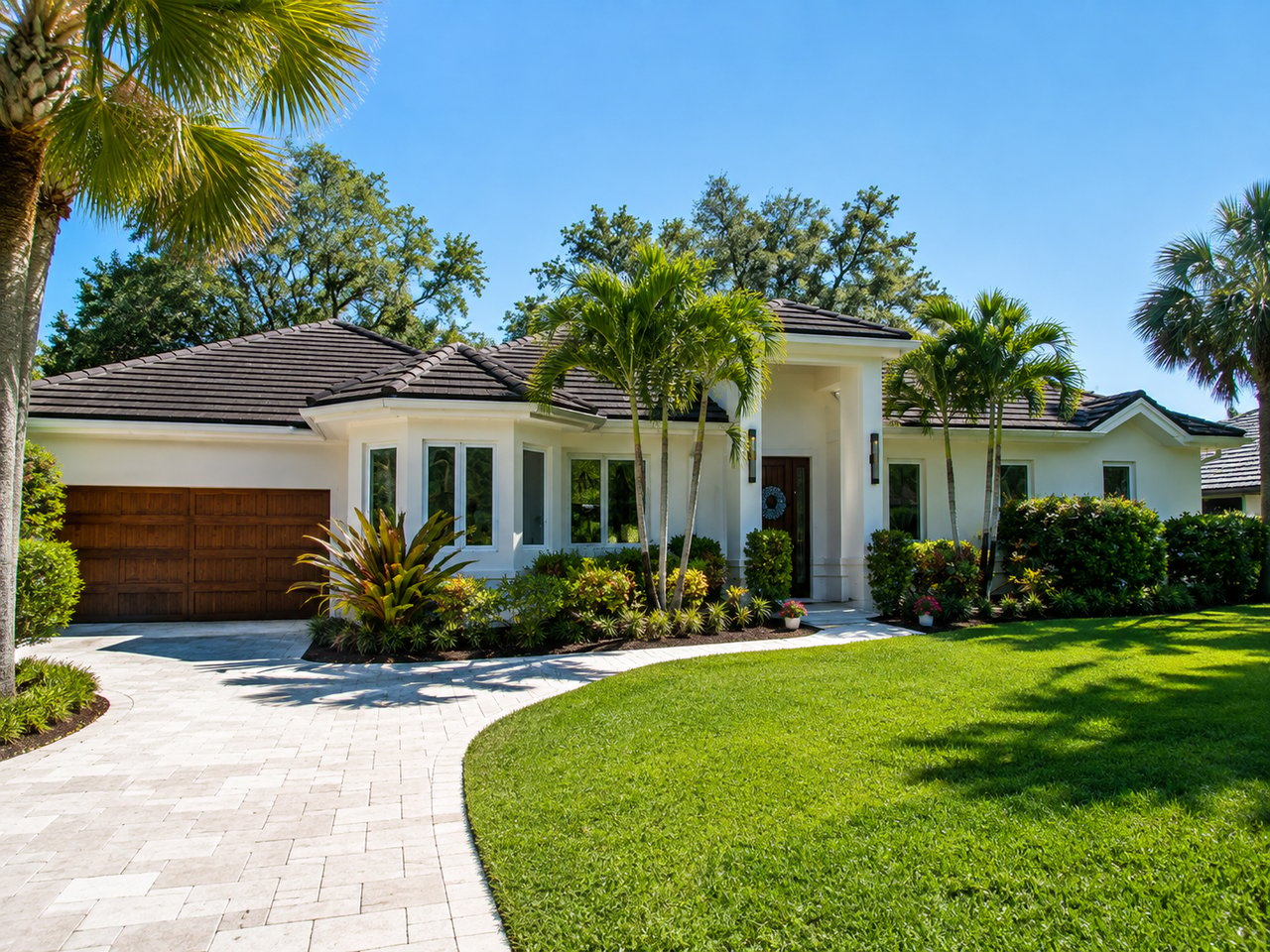
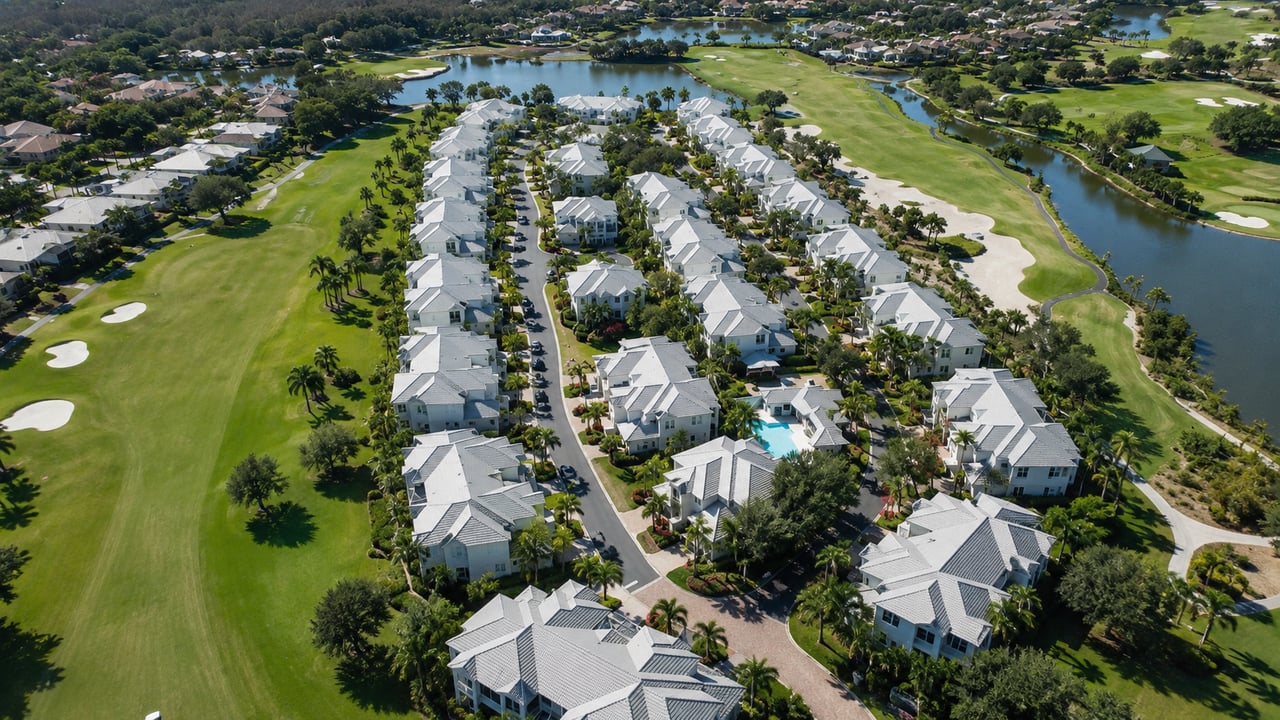
The Vineyards is a large Naples community spanning about 1,400 acres, with roughly 2,800 front doors across 38 unique communities, according to the official club overview. That matters because an out-of-state purchase here is not a one-size-fits-all process. A condo, villa, coach home, townhome, or custom single-family home can come with very different rules, fees, and document requirements.
The Vineyards Community Association is the central source for community bulletins, forms, contacts, contractor procedures, irrigation schedules, and association links. It also provides access points for forms such as ARC requests and resident profile documents. For a buyer, that means the community has structure and organization, but you still need to confirm details at the exact neighborhood level.
Compare Property Types First
One of the biggest mistakes remote buyers make is falling in love with a listing before understanding its sub-community. In The Vineyards, each neighborhood can function a little differently, and that affects ownership costs, approval steps, and daily lifestyle.
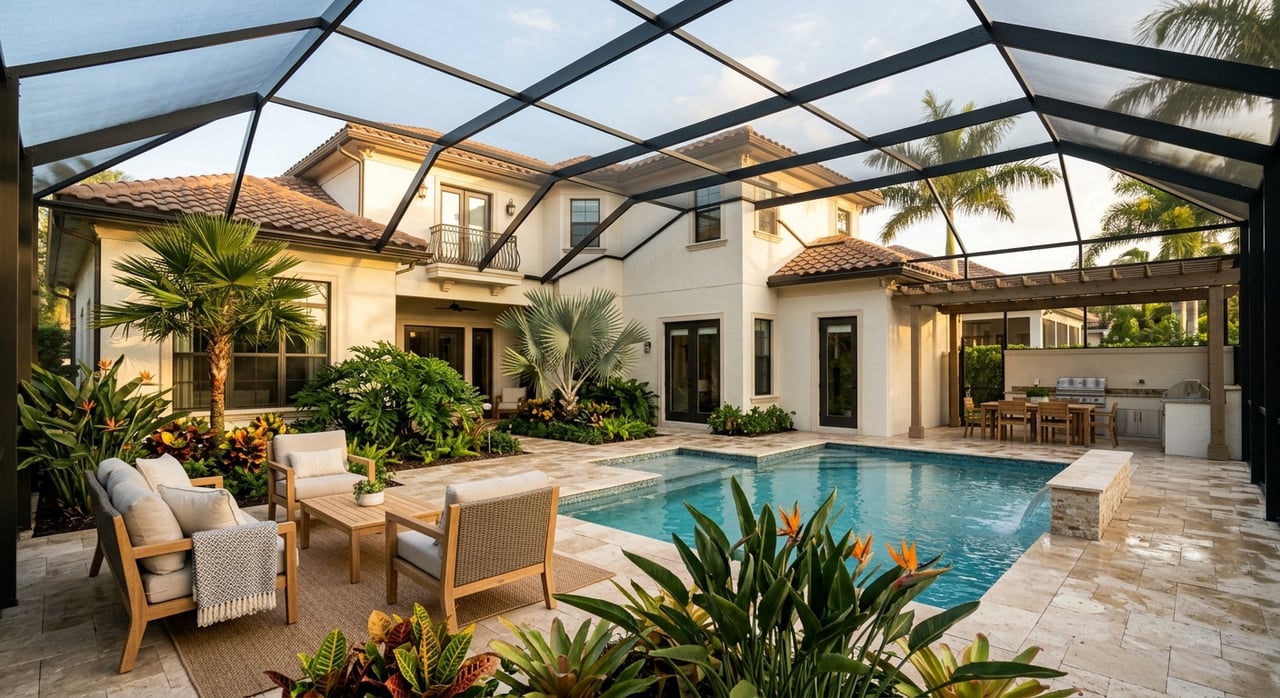
Examples on the official communities page show just how varied the options are. Clubside Reserve includes 84 coach homes near the country club, Chardonnay has 60 condos with lake or golf views, Concord has 136 condos with elevator access, Vista Pointe is a luxury mid-rise condo community, Napa Ridge Homeowners includes 29 single-family homes, and Valley Oak includes 223 custom homes.
If you are buying from out of state, this variety is a plus. It gives you more ways to match your budget, maintenance preferences, and desired layout. It also means you should review the exact association structure before making assumptions about fees, rentals, renovations, guest policies, or approvals.
Separate Community Living From Club Membership
This is one of the most important distinctions in The Vineyards. The community and the country club are not the same thing.
Vineyards Country Club is a private, non-equity club with 36 holes of golf, a 70,000-square-foot clubhouse, tennis, pickleball, bocce, fitness, wellness and spa services, swimming, dining, and a year-round social calendar. Those amenities are a major reason many buyers look here.
Still, club membership should be treated as its own due diligence item. The club offers Full Golf and Lifestyle membership tiers, Full Golf availability may be limited, and the initiation costs and dues are separate from community ownership. If a home is marketed with club-related language, you should verify whether any membership rights transfer, what the costs are, and whether access is automatic or separate.
Check Daily Convenience Along With Lifestyle
Out-of-state buyers often focus on photos, floor plans, and amenities first. That is understandable, especially if you are searching for a second home or future seasonal residence. But your day-to-day convenience matters too.
According to the club experience page, The Vineyards is near practical services like Publix, Walgreens, banks, dry cleaners, veterinary services, multiple restaurants, and Physicians Regional Hospital. The same source notes the community is also minutes from beaches, theatres, shopping, dining destinations, parks, boating, and Gulf water sports.
That mix can be especially helpful if you plan to split time between Florida and another state. You want a home that works not just for vacation mode, but also for errands, arrivals, departures, and longer stays.
Know Which Documents Apply
Your due diligence in The Vineyards depends heavily on whether the property is a condo or an HOA-governed home. This is where remote buyers need to slow down and get organized.
For HOA parcels governed by Chapter 720, Florida law requires a disclosure summary before contract execution. If that summary is not provided in time, the buyer can cancel within 3 days after receipt or before closing, whichever comes first. The statute also tells buyers to review the covenants and governing documents before purchasing.
For condo resales governed by Chapter 718, the seller must provide a more detailed resale disclosure package. That package includes the declaration, articles, bylaws and rules, annual financial statement and budget, FAQ, and when applicable, milestone inspection summaries, structural integrity reserve study information, and turnover inspection reports. In many cases, the buyer generally has 7 days, excluding Saturdays, Sundays, and legal holidays, to cancel after receiving the required documents if they were not delivered before signing.
For condo contracts entered after December 31, 2024, the contract must also state whether any required milestone inspection, turnover inspection report, or structural integrity reserve study is complete or incomplete, if applicable. That is especially important for remote buyers trying to compare buildings from afar.
Request Governing Documents Early
In The Vineyards, document timing matters. The community association website offers useful forms and information, but the Master Documents area is password-protected. That means you may need help getting the current package for the exact property you want.
In practice, that often means asking the listing agent, seller, title company, or management company to provide the latest governing documents. Because The Vineyards is made up of many separate associations, you should confirm you are reviewing the right packet for the right parcel, not just a general community overview.
Florida law is also becoming more remote-friendly. Under Section 720.303, associations with 100 or more parcels must post specified records online or through a mobile application by January 1, 2025, and official records may be made available electronically. That should help buyers gather information more efficiently, but it does not replace the need to verify current documents for the exact address.
Review Fees, Reserves, and Assessments
When you buy from another state, monthly or quarterly fees can be easy to underestimate. The right question is not just, “What is the fee?” but also, “What does it cover, and what could change?”
For HOA communities, Florida law requires budgets and annual financial reporting that separately identify recreational amenity costs and warn when reserve accounts are not fully funded and special assessments could result. That gives you a framework for asking better questions before closing.
You should also pay close attention to the estoppel certificate. Under Florida Statute 720.30851, the estoppel must disclose assessments owed, transfer or capital contribution fees, open violations, approval requirements, rights of first refusal, other associations, and insurance contacts. It must be issued within 10 business days of a written or electronic request.
For an out-of-state buyer, that document is one of the clearest snapshots of what you are stepping into financially and administratively.
Plan Inspections Around Property Type
Inspections are never just a formality, especially when you are not local. In The Vineyards, your inspection approach should reflect the home style and governing structure.
For condos, you may need to pair your unit inspection with careful review of building-level disclosures, budgets, and any required structural reports included under Florida condo resale rules. For single-family homes, villas, or HOA-governed residences, you still want standard property inspections, but you should also verify community rules and any open issues shown on the estoppel.
If you are buying remotely, it helps to treat inspections and document review as one coordinated process. That way, findings from the property condition side and findings from the association side can be evaluated together before your deadlines expire.
Prepare for a Remote Florida Closing
The good news is that Florida supports online notarization. Under Florida law, a Florida online notary may perform online notarization even when the signer or witnesses are outside the state, provided identity is verified, approved audio-video technology is used, and the session is recorded.
That can make distance purchases much easier. Still, remote signing does not remove the need to coordinate title, lender, and association timelines carefully. The practical takeaway is simple: digital convenience helps, but statutory deadlines still control the transaction.
A smart remote-closing sequence in The Vineyards usually looks like this:
- Identify the exact sub-community.
- Confirm whether the property is condo-governed or HOA-governed.
- Request and review the correct governing documents.
- Order inspections.
- Obtain the estoppel and verify fees, approvals, and violations.
- Confirm insurance responsibilities.
- Schedule remote signing once all parties and deadlines are aligned.
Clarify Insurance Before Closing
Insurance is another area where out-of-state buyers should ask direct questions early. With condos in particular, you need to understand what the association insures and what you, as the owner, need to insure separately.
Florida’s condo disclosure statute includes a flood-insurance reminder, and the estoppel certificate can identify the association’s insurance contact information. That gives you a starting point, but you still want clear confirmation of owner responsibilities before closing.
This step can prevent last-minute confusion and help you budget accurately, especially if the property will be used seasonally or held as a second home.
Make Your Remote Search Smarter
If you are shopping from out of state, the best strategy is to narrow your shortlist by category before you narrow it by finishes. Start with the kind of ownership experience you want.
Ask yourself:
- Do you want condo living with lower exterior maintenance?
- Do you prefer a villa, coach home, or single-family layout?
- Is elevator access important?
- Are club amenities a priority, or just a bonus?
- Do you want to be near the country club specifically?
- Are you comfortable with separate association and club cost structures?
Once those answers are clear, the search gets more efficient. You can focus on the specific neighborhoods inside The Vineyards that fit your goals instead of trying to evaluate the entire community as if it operates under one set of rules.
Buying in The Vineyards from another state can absolutely be smooth, but it works best when you treat the process as neighborhood-specific, document-driven, and deadline-aware. If you want help narrowing the right sub-community, reviewing the practical differences between property types, and coordinating a cleaner remote purchase, connect with Chad Phipps for experienced, local guidance.
FAQs
What should out-of-state buyers know first about purchasing in The Vineyards?
- The Vineyards is made up of 38 unique communities with different property types, associations, fees, and governing documents, so you should evaluate the exact sub-community before making an offer.
How is club membership different from owning a home in The Vineyards?
- Vineyards Country Club is a separate private club with its own membership tiers, availability, initiation costs, and dues, so ownership in the community does not automatically mean the same club access for every property.
What documents are most important for a condo purchase in The Vineyards?
- Condo buyers should review the resale disclosure package required under Chapter 718, including governing documents, financials, rules, FAQs, and when applicable, milestone inspection, turnover inspection, and structural reserve study information.
What documents are most important for an HOA home purchase in The Vineyards?
- Buyers of HOA-governed homes should review the Chapter 720 disclosure summary, governing documents, budget information, and the estoppel certificate for fees, violations, approvals, and related association details.
Can an out-of-state buyer close remotely on a home in The Vineyards?
- Yes, Florida allows online notarization, which can let many buyers sign remotely, but your title, lender, and association timelines still need to be coordinated carefully.
Why does the estoppel certificate matter for a Vineyards purchase?
- The estoppel helps confirm what is owed, whether there are open violations, what approval steps may apply, whether other associations are involved, and who handles insurance contacts, making it a key part of pre-closing due diligence.
Where can buyers find official community information about The Vineyards?
- The Vineyards Community Association website is the main source for forms, contacts, bulletins, procedures, and community links, though some master document access is restricted and may need to be requested through the transaction parties.