Are you wondering if you should wait for “season” to list your Park Shore home, or go live now? You are not alone. In Naples, timing your sale can shape your exposure, your negotiation leverage, and your time to close. In this guide, you’ll learn how season versus off-season affects buyer traffic, what listing windows make the most sense for Park Shore, and how to prepare on a smart timeline. Let’s dive in.
Season vs off-season in Naples
Naples and Park Shore follow a clear seasonal rhythm. Season typically runs from November through April. Off-season is May through October, which overlaps with warmer months and hurricane season.
Park Shore attracts second-home buyers, retirees, luxury buyers, and seasonal residents. During season, there are more visitors and more out-of-area buyers in town. This often means more showings and faster activity for well-presented, well-priced listings.
Off-season can still work. You may face less competition from other listings, and local buyers or investors can be more active. Overall buyer traffic is lower, so you should plan for longer market times or more flexible pricing.
Who buys when in Park Shore
Different buyers show up at different times. Knowing who you are targeting helps you choose when to list.
- Seasonal second-home buyers and snowbirds: Most active November through April. Many are cash-ready and make decisions during short visits.
- Retirees and downsizers: Active all year. They focus on community amenities and low-maintenance living.
- Local move-up and relocations: Year-round, with bumps tied to job cycles and personal timelines.
- Investors: Active year-round. Some prefer off-season to negotiate. Others buy in season for maximum rental or resale exposure.
- International buyers: Often mirror seasonal patterns and are more active in winter.
Cash purchases are common in higher-priced Park Shore properties. Cash can shorten closing timelines and reduce financing contingencies. If a buyer needs a loan, plan on 30 to 45 days for approval and closing.
Listing in season: pros and watch-outs
Season is the most visible window in Naples. Here is what to expect.
- Pros:
- More buyer traffic and showings, including out-of-state and cash buyers.
- Faster feedback on pricing and presentation.
- Stronger price discovery for turnkey waterfront condos and luxury homes.
- Watch-outs:
- More competing listings mean you need sharp pricing and standout marketing.
- Vendor schedules can fill up quickly. Start prep early so you are photo-ready by October.
Listing in off-season: pros and watch-outs
Off-season can still be a smart play, depending on your goals.
- Pros:
- Less listing competition and more attentive vendors, inspectors, and contractors.
- More time to complete improvements without the pressure of heavy showing volume.
- Potential to attract motivated local buyers or investors seeking opportunity.
- Watch-outs:
- Lower overall buyer traffic and longer days on market.
- Buyers may negotiate harder on price and terms.
- Hurricane season can add scheduling and insurance considerations. Build in flexibility.
Best listing windows for Park Shore
You have several good options. Pick the window that aligns with your goals.
Primary window: October to February
- Why it works: You catch early seasonal traffic and peak showings between November and March. January and February are often strong after the holidays.
- Best for: Turnkey waterfront homes, luxury condos, and sellers seeking maximum exposure to out-of-state buyers.
Secondary window: Late March to May
- Why it works: Spring remains active with local and returning seasonal buyers who want to finalize decisions.
- Best for: Year-round buyer appeal and sellers who missed the early-season prep window.
Tactical off-season window: June to September
- Why it works: Lowest competition, plus local buyers and investors remain active. Good for flexible timelines or negotiated deals.
- Best for: Properties with strong appeal to full-time residents or investor strategies. Be ready for hurricane-season logistics.
Which window fits your priority
Match your goals to the calendar.
- Maximize price and speed: List October to February.
- Finish renovations or prefer convenience: List in spring or late summer after work is done.
- Seek fewer competing listings and negotiation flexibility: Consider June to September and plan for a longer market time.
Preparation timeline for Park Shore sellers
Plan backward from your target list date. Typical lead times:
- Light prep: 2 to 4 weeks for decluttering, deep clean, light staging, and photos.
- Moderate prep: 4 to 8 weeks for minor repairs, paint, landscaping, staging, and professional media.
- Major updates: 8 to 16+ weeks for kitchen or bath work, structural repairs, and any permitting.
- Pre-list checks: 1 to 3 weeks to line up roof, HVAC, pest, and flood-elevation documentation.
High-impact checklist for Park Shore
Focus on what matters most to buyers in a coastal, near-water neighborhood.
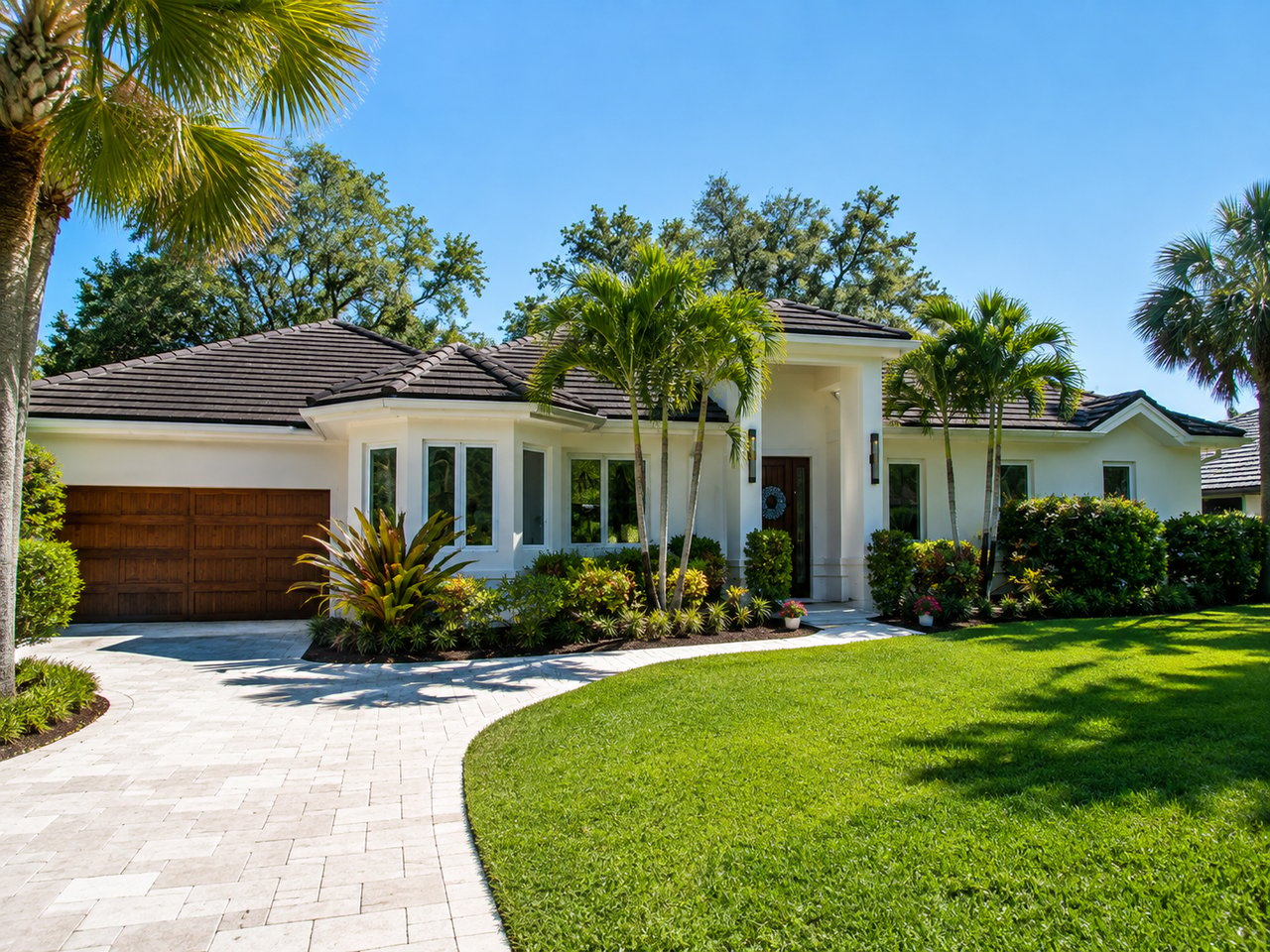
- Curb appeal and exterior: Fresh landscaping, pressure washing, clean windows, and well-kept docks or lifts where applicable.
- Flood and insurance readiness: Gather flood insurance info, elevation certificates, and any prior claim or repair documentation.
- Systems and maintenance: Roof, HVAC, plumbing, and electrical service records. Handle obvious issues up front.
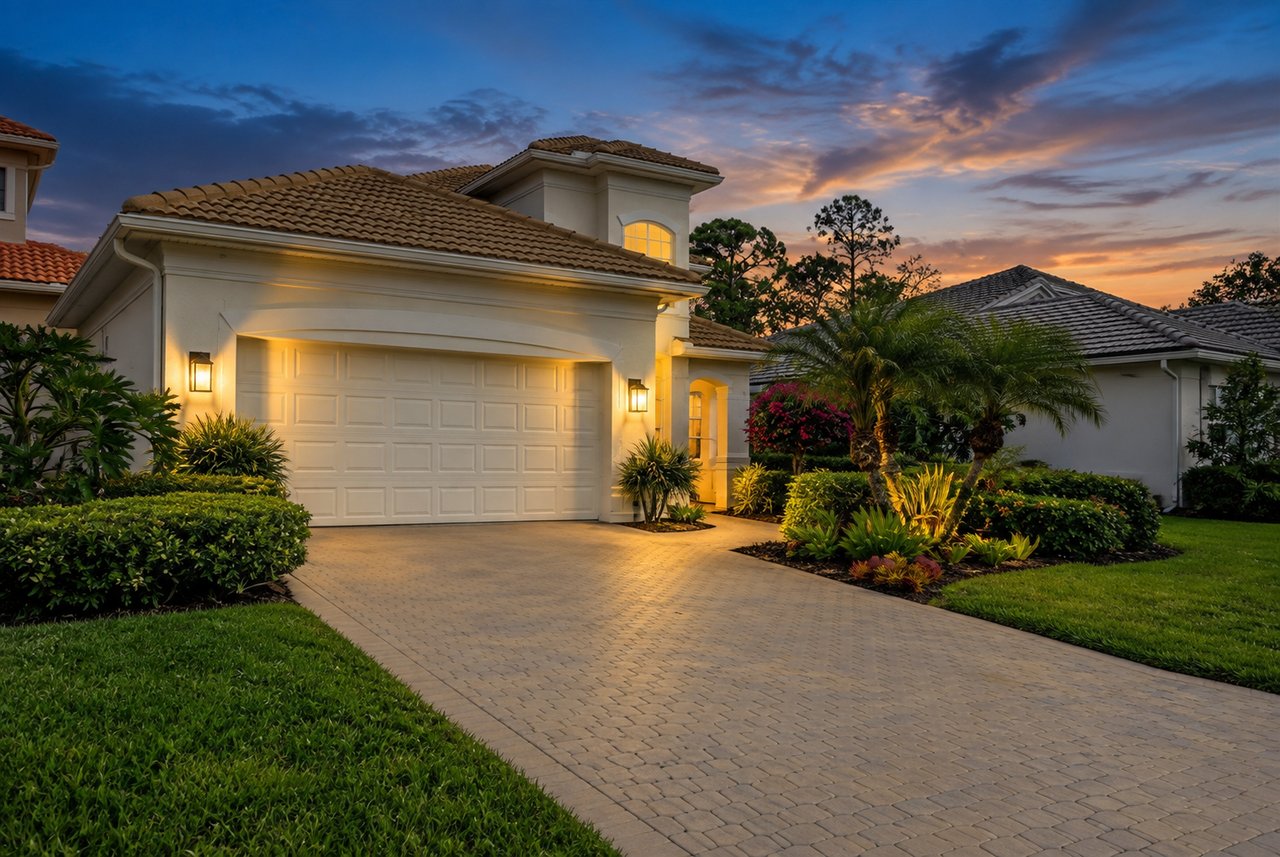
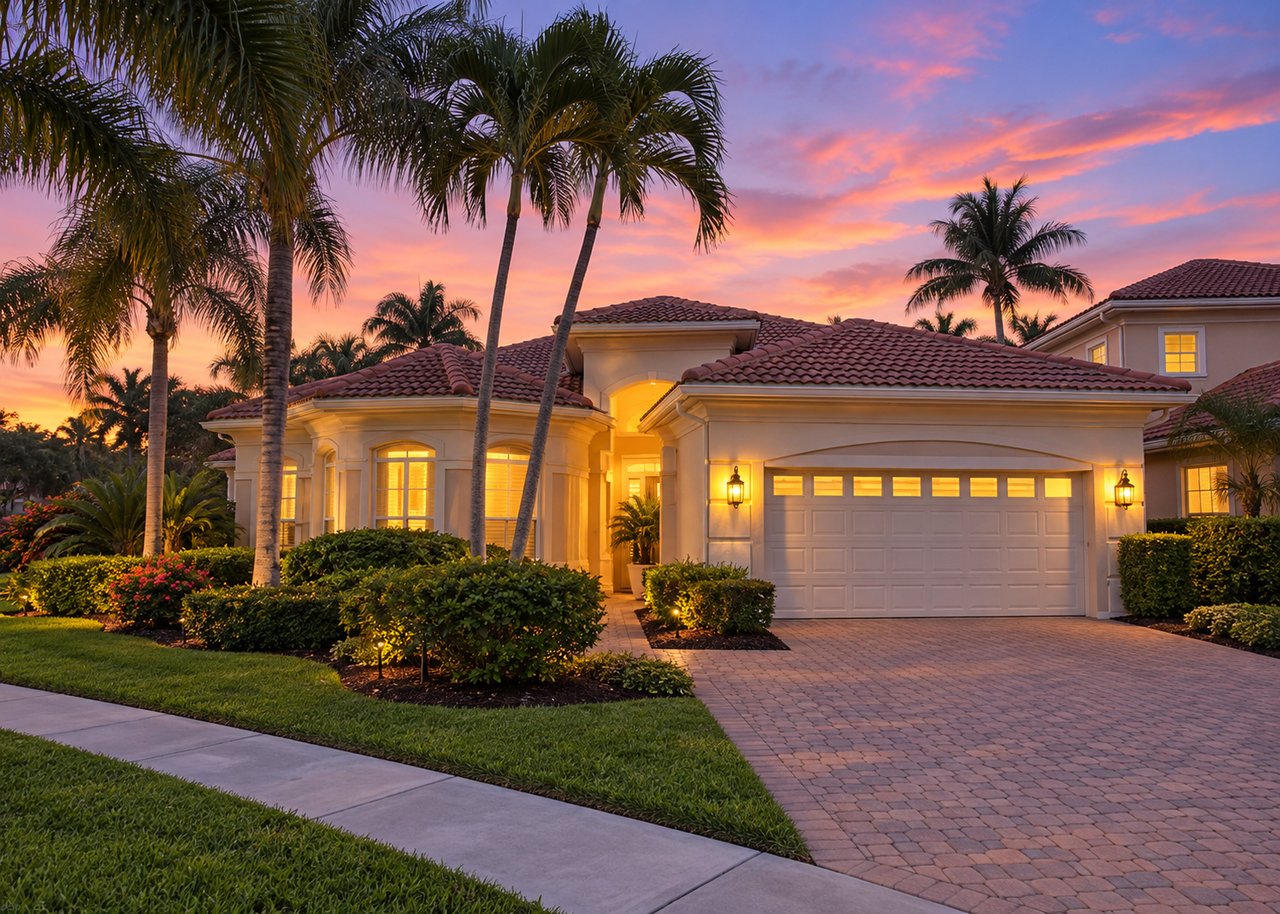
- Staging and media: Professional photography, video, and virtual tours are essential. Twilight photos can highlight waterfront views.
- Disclosures and association docs: Collect Park Shore and condo association resale packets and required Florida disclosures early.
- Pricing and marketing plan: Align price and launch date with the seasonal calendar. Plan open houses for weekends and holiday periods when visitors are in town.
Align your plan to the calendar
If you are targeting seasonal buyers, aim to be photo-ready by October. Consider a coming-soon preview one to two weeks before your go-live date. Be flexible with showings during weekends and holidays.
If you will be out of town, appoint a local contact and keep the property show-ready. A lockbox and a clear instructions list for cleaners and handymen can keep things smooth.
A simple 3-step decision framework
Use this quick process to decide when to list.
- Identify your likely buyer
- Snowbird seeking turnkey luxury, year-round retiree, local move-up, or investor. Each profile points to a different optimal window.
- Define your priority
- Price, speed, or convenience. Be clear about which matters most.
- Match the window and prep timeline
- Example: List in November. Start prep in September. Stage and shoot in October. Launch before peak arrivals.
Example timelines for Park Shore sellers
Waterfront luxury condo targeting seasonal cash buyers
- Prep begins in August to early October, go live in October to January, concentrate on showings from November to March.
Mid-range single-family with year-round appeal
- Prep in January to March, list in March to May, stay flexible for relocations and summer buyers.
Investment property seeking negotiated offers
- Prep in May to June, list in June to September, and plan for longer market time with value-focused pricing.
Ready to sell in Park Shore?
The right timing depends on your property, your ideal buyer, and your goals. If you want the largest pool of out-of-area buyers, target early season. If you value less competition and more prep time, off-season may fit. Either way, a clear plan, strong presentation, and local guidance can help you capture the best outcome.
If you are weighing when to list, get a tailored plan for your address and a data-backed pricing strategy. Connect with Chad Phipps for your instant home valuation and local market consultation.
FAQs
When is the best month to list a Park Shore home?
- October through February generally offers the widest exposure to seasonal buyers, with strong showing activity from November to March.
Is off-season a bad time to sell in Naples?
- Not necessarily. Off-season brings less competition and can suit local or investor buyers, though you should plan for lower traffic and longer days on market.
How does hurricane season affect my listing or closing?
- You may need extra time for inspections, insurance, and repairs. Build in scheduling flexibility and have flood and elevation documents ready.
How far in advance should I prepare my Park Shore home?
- Plan 4 to 8 weeks for cosmetic work and staging, and 8 to 16+ weeks for larger updates. Start earlier if you want to list in early season.
Do I need a pre-listing inspection in Park Shore?
- It can help uncover issues early and streamline negotiations, especially for waterfront properties where structural and flood-related items matter.
Who are the most active buyers in season?
- Many out-of-state second-home buyers and snowbirds visit and purchase November through April, often with cash or strong financing readiness.