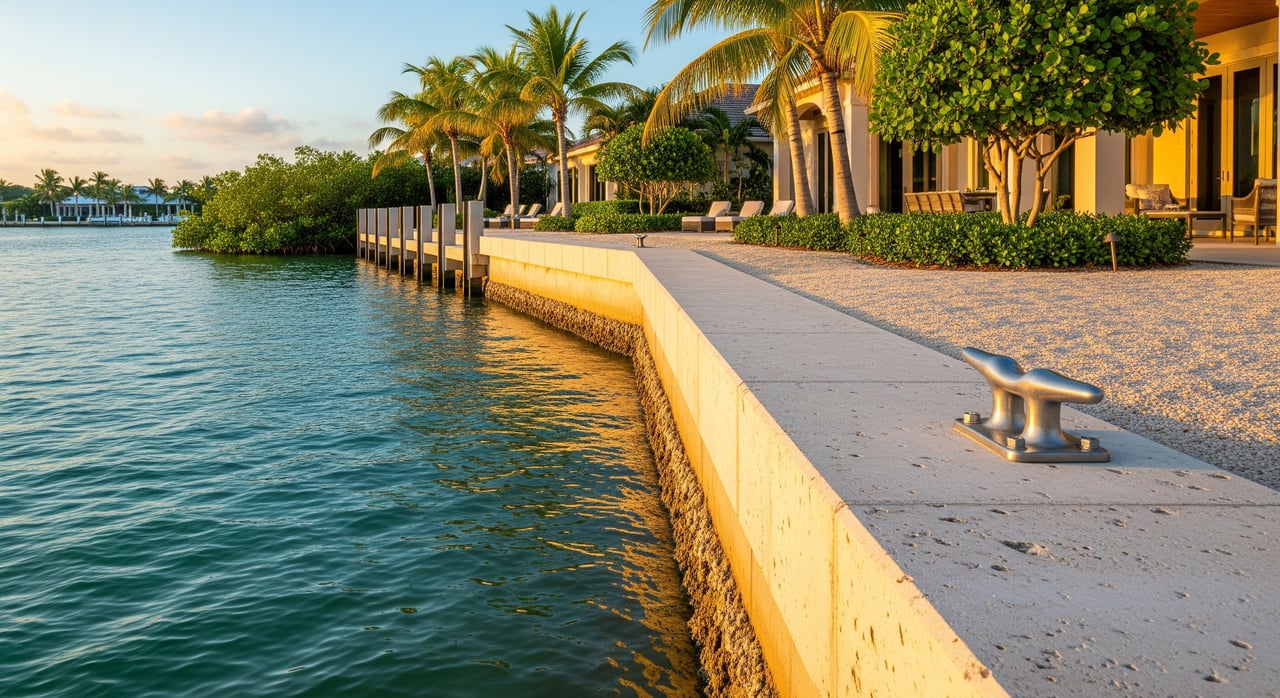
Is your Marco Island seawall ready for another storm season? If you live on the water, your seawall protects your yard, dock, and home value from daily tides and the occasional hurricane. A little routine care each year can prevent costly surprises and keep future sales smooth. In this guide, you’ll learn what to check, when to schedule work, how permits and timing windows operate, and what to document for insurance and resale. Let’s dive in.
Why annual seawall care matters
Marco Island faces a long hurricane season from June 1 to November 30, along with higher water levels during king tides. Over time, rising water and wave action increase stress on your wall and the soil behind it. That extra pressure can lead to cracking, leaning panels, or erosion behind the wall. Planning maintenance before storm season and checking the wall after big weather events helps you catch small issues early.
Sea level is also trending upward in Florida’s coastal areas. When you plan long-term upgrades or full replacement, use regional data from NOAA Tides & Currents to understand local sea level trends. Higher mean water levels can shorten a wall’s useful life and increase toe scour risk.
Your annual maintenance calendar
A simple rhythm works best. Combine quick monthly checks with one professional inspection each year and a prompt post-storm review.
Ongoing
- Do a monthly walk along the wall from land. Look for new cracks, leaning, sinkholes, displaced capstones, seepage, and changes at drainage outfalls.
- After any storm, king tide, boat strike, or nearby dredging, take photos and note the date and time. Document any movement or new defects.
- Keep drainage clear. Make sure yard runoff flows away from the seawall and that scuppers or pipe outlets are not blocked.
Spring (March–May)
- Schedule a professional inspection before hurricane season. Use a marine contractor, coastal or structural engineer, or licensed seawall inspector.
- Complete minor non-structural repairs like patching small spalls or resetting loose capstones. Tackle vegetation trimming that does not undermine the wall.
Hurricane season (June–November)
- Check after each named storm. If you see sudden leaning, large cracks, or major sinkholes, keep people off the area and call a pro right away.
- If you evacuate, secure loose items near the water. Do not attempt structural work during an active storm.
Late fall and early winter (November–December)
- Commission a post-season inspection to document condition for your records and insurance.
- Plan larger permitted repairs or replacement for the off-season. Build in time for permits and any environmental timing windows.
Multi-year tasks
- Arrange underwater inspection every 3 to 5 years, or after major storms. A diver, ROV, or sonar can assess the toe, piles, and panels.
- If you see settlement, tieback issues, or widespread cracking, consider a full engineering assessment.
What to look for each month
Use this checklist to spot problems early and keep a clear maintenance history.
Alignment and top edge
- Does the wall lean toward or away from the water?
- Are capstones cracked, loose, or displaced? Are joints tight?
Surface condition
- Note hairline cracks versus structural cracks. Look for exposed rebar or significant spalling.
- Watch for persistent seepage through joints or around the ends of the wall.
Soil and drainage
- Check for soft spots, depressions, or sinkholes behind the wall.
- Confirm scuppers and outlets are clear. Make sure rainwater does not pond at the yard’s edge.
Adjacent structures
- Look at docks, steps, and decks for gaps or unusual movement relative to the seawall.
- Note marine growth lines or barnacles at unusual heights, which may indicate settlement.
Documentation
- Take date-stamped photos of the entire wall and close-ups of changes. Keep a maintenance log with inspection dates, repairs, contractors, permits, and costs.
When to call a professional
Some tasks are fine for you to handle. Others require marine construction expertise.
Good DIY items
- Clearing debris from drains and outlets
- Light vegetation trimming away from the wall when roots are not undermining it
- Small cosmetic patching of non-structural concrete areas
Call a pro if you see
- Structural cracks or leaning panels
- Settlement, sinkholes, or evidence of undermining at the toe
- Exposed or corroded reinforcement, tie rods, or anchors
- Persistent seepage, storm damage, or anything requiring underwater work
Common repairs include patching and sealants, grouting voids behind bulkheads, adding toe stone or riprap to reduce scour, repairing or replacing anchors and piles, and full wall replacement. These are specialized tasks that often require permits.
Permits and timing in Collier County
In Marco Island, most structural repairs and all replacements require permits. Confirm requirements with county, state, and federal agencies before you begin.
- Collier County Building & Permitting oversees local building codes and permits. Start by reviewing county requirements and contacts on the Collier County government site.
- The Florida Department of Environmental Protection manages coastal permitting and environmental resource permits. Learn about coastal processes and permitting on the FDEP Beaches and Coastal Systems page.
- The U.S. Army Corps of Engineers Jacksonville District may need to authorize work in navigable waters. Check federal permitting guidance through the USACE Jacksonville District.
- The Florida Fish and Wildlife Conservation Commission sets protections for sea turtles and manatees, which can affect timing and construction methods. See current guidance on the FWC site.
Many permits include best management practices such as silt curtains, turbidity monitoring, staged removals, and responsible material handling. In-water work can be restricted during sea turtle nesting season, and manatee protection measures may apply. Getting your applications in early helps you align schedules, prevent delays, and avoid stop-work orders or fines.
Post-storm actions you can take
After tropical storms or hurricanes, prompt documentation is key.
- Take wide and close-up photos of the entire wall length, capstones, outlets, and the yard behind the wall. Note the date and approximate tide level if known.
- Look for new leaning, widened cracks, fresh sinkholes, or displaced stones at the toe.
- If you see major movement or loss of support, keep people off the area and call a marine contractor or engineer before returning to normal use.
- Save invoices, inspection reports, and permits. These records help with insurance claims and future sales.
Budget, insurance, and resale prep
Costs vary by wall length, materials, site exposure, access, and scope of work. Minor patching is relatively inexpensive, while a full replacement on an exposed residential lot can run into the tens of thousands or more. Get multiple local quotes with clear, written scopes.
Some owners use construction loans, home equity lines, or HOA special assessments where applicable. Check what is available in your situation. Insurers and lenders may consider seawall condition in underwriting coastal properties, and an active structural deficiency can affect insurability and marketability.
If you plan to sell, buyers and lenders may request a recent seawall inspection or proof of permitted repairs. A clean file helps your sale move faster and supports your pricing.
What to gather for your records
Keep a simple, complete file. It will pay off if you file a claim or decide to sell.
- Professional inspection reports and photos, pre- and post-storm
- Copies of permits, final inspections, and contractor warranties
- Itemized repair estimates and invoices
- A maintenance log with dates, notes, and contacts
Before listing, consider commissioning a professional inspection and obtaining repair estimates. Share these with serious buyers to build confidence and reduce surprises during inspections or financing.
Hiring the right marine pro
A good team makes a big difference in outcome, cost, and timing. Verify licenses, insurance, and experience with Marco Island projects.
Licensing and credentials
- Confirm Florida contractor licensing through the DBPR license search.
- For engineering assessments, hire a civil, structural, or coastal engineer who works with marine structures.
- Verify general liability insurance, marine construction coverage, and worker’s comp where applicable.
Questions to ask
- Do you hold the required Florida contractor license and have recent Marco Island or Collier County seawall projects? Can you share references and photos?
- Who will prepare and pull permits, and will you coordinate with Collier County, FDEP, and USACE?
- What repair options do you recommend, what are the pros and cons, expected useful life, and cost range?
- Do you provide a written warranty for materials and workmanship? What is included?
Deliverables to request
- A written inspection report with photos and prioritized recommendations
- An itemized estimate that separates materials, labor, permits, and disposal
- A clear scope covering staging, best management practices, access by land or barge, schedule, and disposal plan
- Copies of pulled permits and final inspections when work is complete
Environment and shoreline alternatives
Some properties can benefit from softer shoreline treatments or hybrid solutions that incorporate plantings with hard structures. These approaches may improve habitat and reduce long-term maintenance. Explore whether a living shoreline is feasible for your site with your engineer and permitting agencies, and review guidance from Florida Sea Grant.
Keep in mind that many exposed Gulf-front sites still require hardened structures to handle waves and currents. Your engineer can help balance performance, regulatory requirements, and environmental goals.
Neighbors, HOAs, and shared walls
If you share a seawall, check your deed, HOA documents, and county records to confirm ownership and maintenance responsibilities. Coordinating inspection and repairs with neighbors can save time and reduce mobilization costs. Align on documentation and keep copies of joint agreements for your records.
The bottom line
On Marco Island, seawall care works best when you combine frequent visual checks, a pre-season professional inspection, and quick post-storm documentation. Address small issues before they become big ones, and plan permitted work during the off-season. Keep your records organized so you are ready for insurance questions and buyer due diligence.
If you want tailored guidance on how seawall condition could impact your property value or a future sale, reach out. Get your instant home valuation and local market consultation with Unknown Company.
FAQs
What is the best time to schedule a seawall inspection on Marco Island?
- Aim for spring, before hurricane season begins on June 1, and follow up after storm season ends in late fall.
Which permits do I need for seawall repairs in Collier County?
- Most structural repairs or replacements require county and state permits, and some projects also need federal authorization through the USACE Jacksonville District. Start with Collier County Building & Permitting and review FDEP coastal permitting and the USACE Jacksonville District.
Are there seasonal limits on in-water work near my seawall?
- Yes. In-water construction may be limited during sea turtle nesting season, and manatee protections can apply. Check current guidance with the Florida Fish and Wildlife Conservation Commission.
How often should I get an underwater seawall inspection?
- Every 3 to 5 years, or after a major storm, depending on exposure and condition. Use a diver, ROV, or sonar to assess toe scour, piles, and panels.
What signs mean I should call a professional immediately?
- Sudden leaning, large cracks, new sinkholes behind the wall, visible undermining at the toe, or exposed and corroded reinforcement warrant immediate professional help.
Can a living shoreline work on Marco Island?
- It depends on site exposure and goals. Some protected locations can use soft or hybrid solutions. Review options with your engineer and explore resources from Florida Sea Grant.
How does seawall condition affect my home sale?
- Buyers and lenders may request recent inspections and proof of permitted repairs. A well-documented maintenance history can support price and speed up closing.