Choosing between Oakmont and other single-family pockets in Pelican Bay can feel like comparing great options for very different lifestyles. You might want larger lots and privacy, or you may prefer being steps from the tram to the private Gulf beaches. This guide breaks down the trade-offs so you can match your priorities to the right neighborhood. You’ll learn how Oakmont stacks up on lot size, architecture, fees, beach access, and pricing, plus what to verify before you make a move. Let’s dive in.
Pelican Bay basics you should know
Pelican Bay is a master-planned community with two layers of governance and amenities. Every homeowner belongs to the Pelican Bay Foundation, which manages the private North and South beach facilities, restaurants, tram system, fitness and racquets programs, and community guidelines. For official documents, guest card policies, and amenity overviews, use the Foundation’s realtor portal as your single source of truth. You can find those resources on the Pelican Bay Foundation site under the Realtors section.
The second layer is your sub-association. Each single-family enclave has its own rules and dues. Fees and policies vary by neighborhood, which is why you should confirm details for any specific home with the association or a current estoppel letter.
Oakmont at a glance
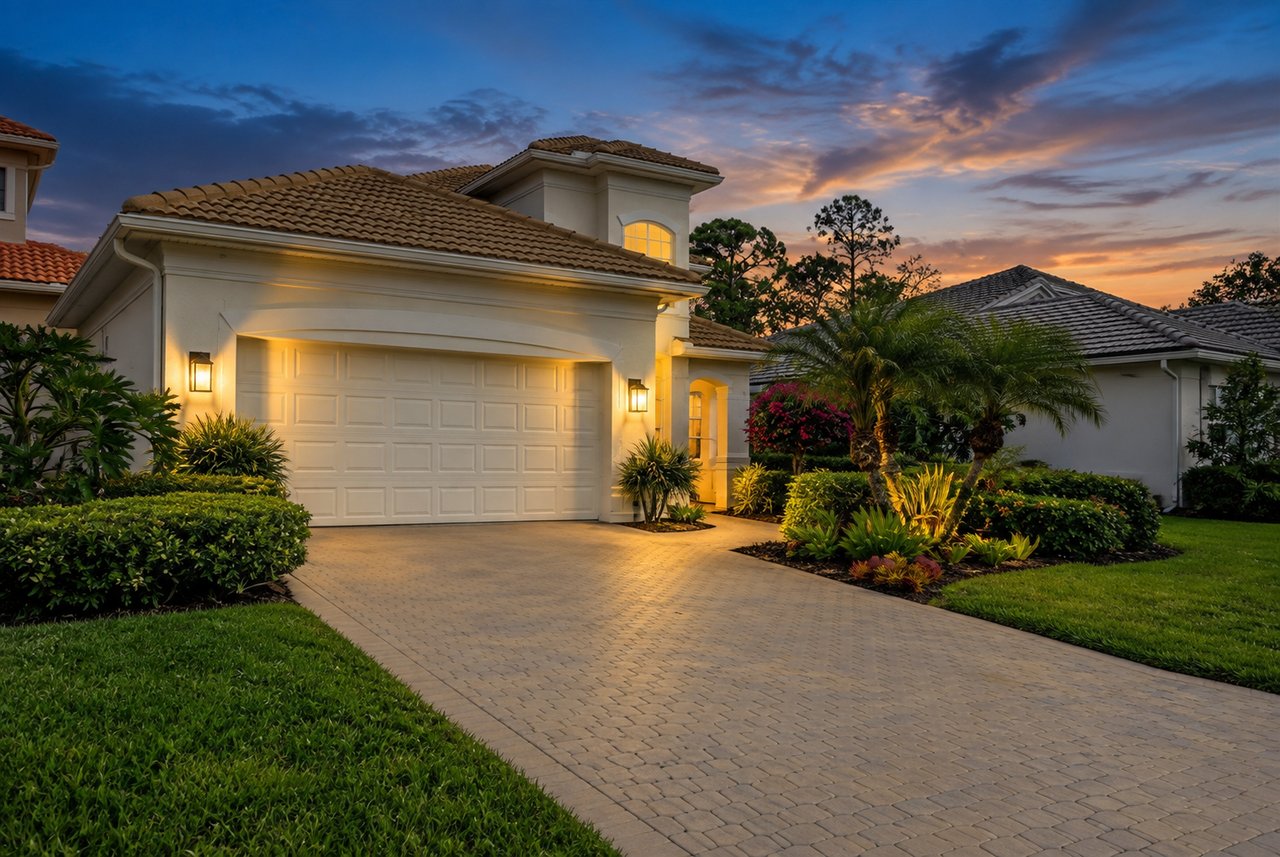
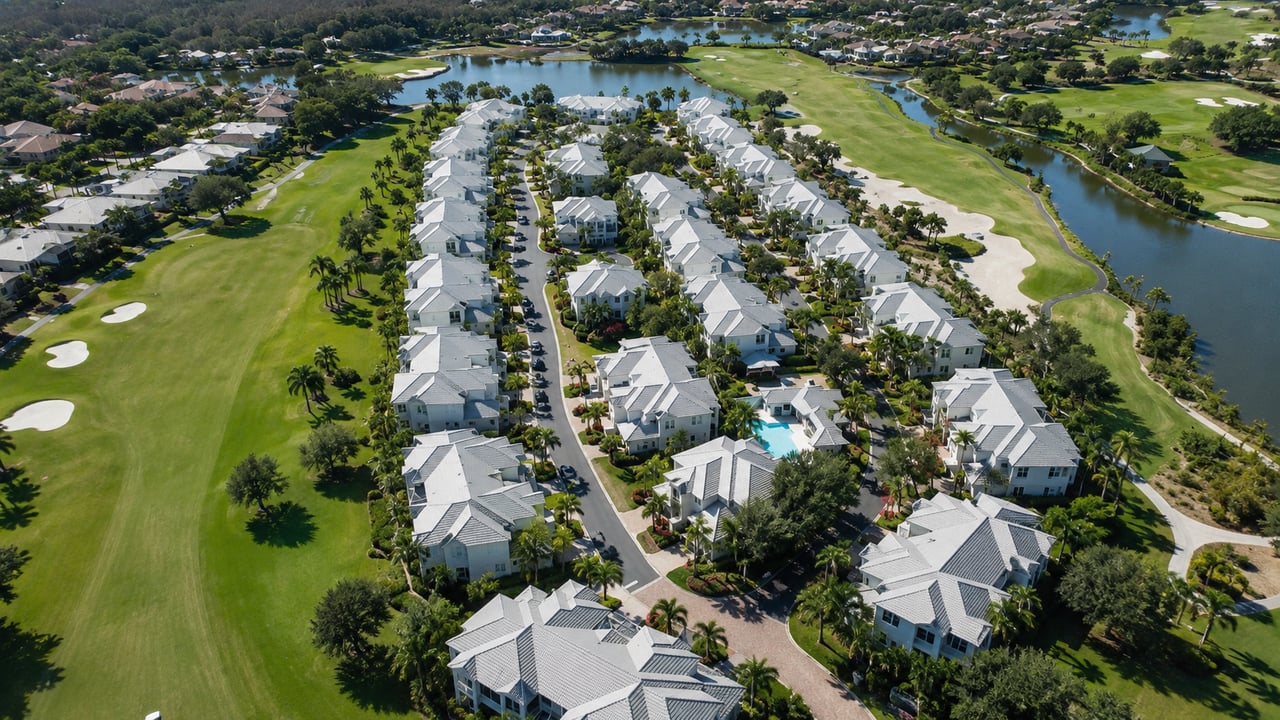
Oakmont sits in the north-central portion of Pelican Bay and is commonly cited as having 133 single-family homes. The neighborhood is known for lakeside settings, mature landscaping, and modestly oversized lots compared with many nearby pockets. Typical parcels often fall in the quarter- to one-third-acre range, with a few larger exceptions.
Most homes were built in the late 1980s and early 1990s. Many have been updated, and select properties have seen recent teardown-and-rebuild activity. Oakmont’s appeal is straightforward: you get a detached home close to Pelican Bay’s amenities, including convenient access to the North tram, without buying a beachfront estate.
Another positive for many buyers is the fee structure. Beyond the Pelican Bay master assessment, Oakmont is often described as having comparatively modest neighborhood-level charges. In some cases, neighborhood dues are optional. Always confirm actual obligations for the property you’re considering, since policies can differ by address and evolve over time.
How Oakmont compares to other single-family options
Lot size and building era
- Oakmont: Quarter- to one-third-acre lots are common, with some larger parcels along the lakes. Most homes date to the late 1980s and early 1990s, with ongoing remodels and selective new construction.
- Pelican Bay Woods: One of the earliest and more estate-oriented pockets. Expect larger lots, a mature tree canopy, and a higher share of custom homes or recent high-end rebuilds.
- Barrington: A compact enclave of roughly 60 to 65 homes, often cited at 61. Lots tend to be smaller than Oakmont’s larger parcels, but the location is very convenient to the North tram. The neighborhood has seen teardown and new-build activity since about 2019.
- Bay Colony: The private, gated beachfront sector inside Pelican Bay. Lot sizes range from villa footprints to very large beachfront estates, with the widest variety of parcel types in the area.
Architectural styles
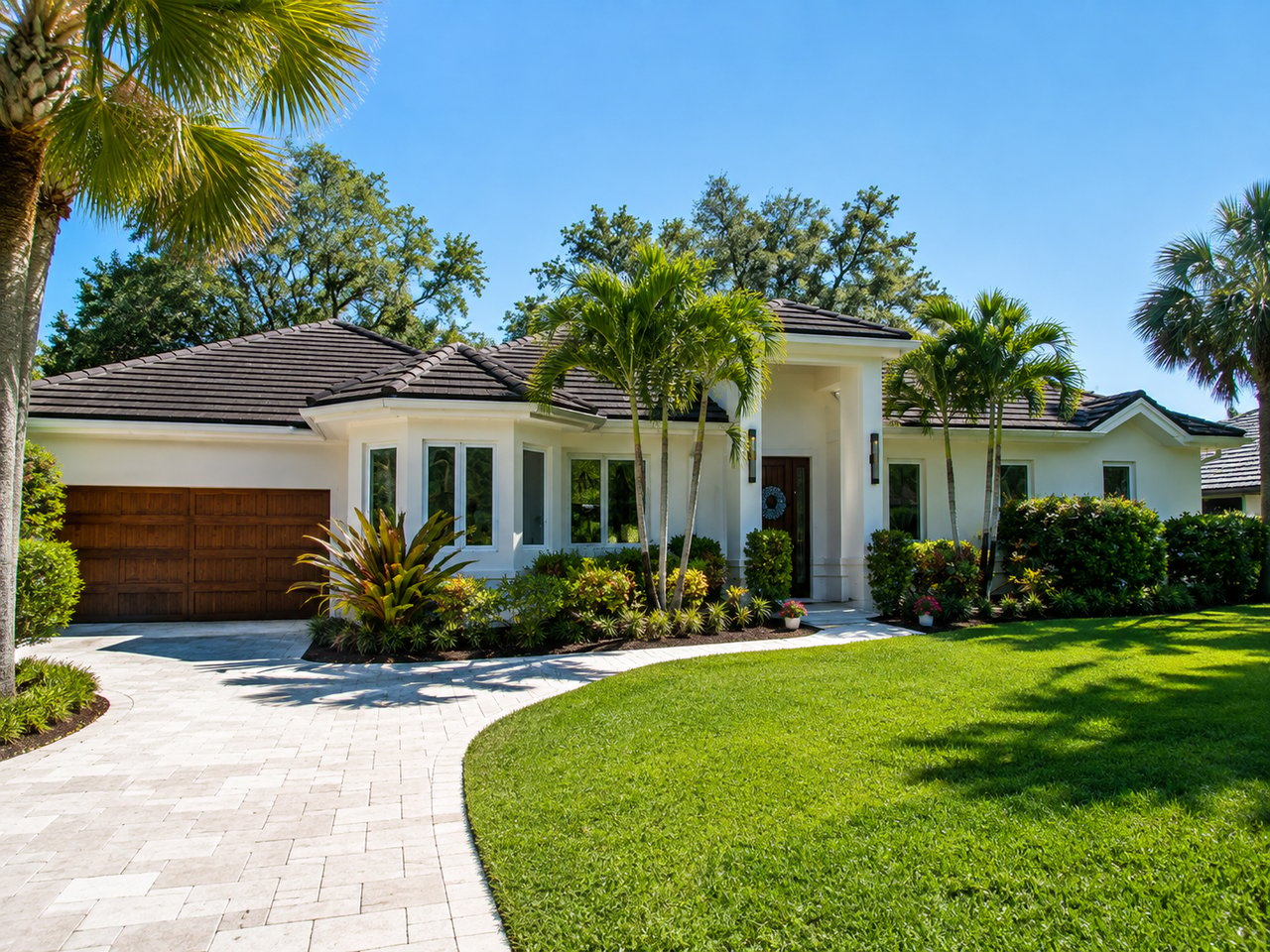
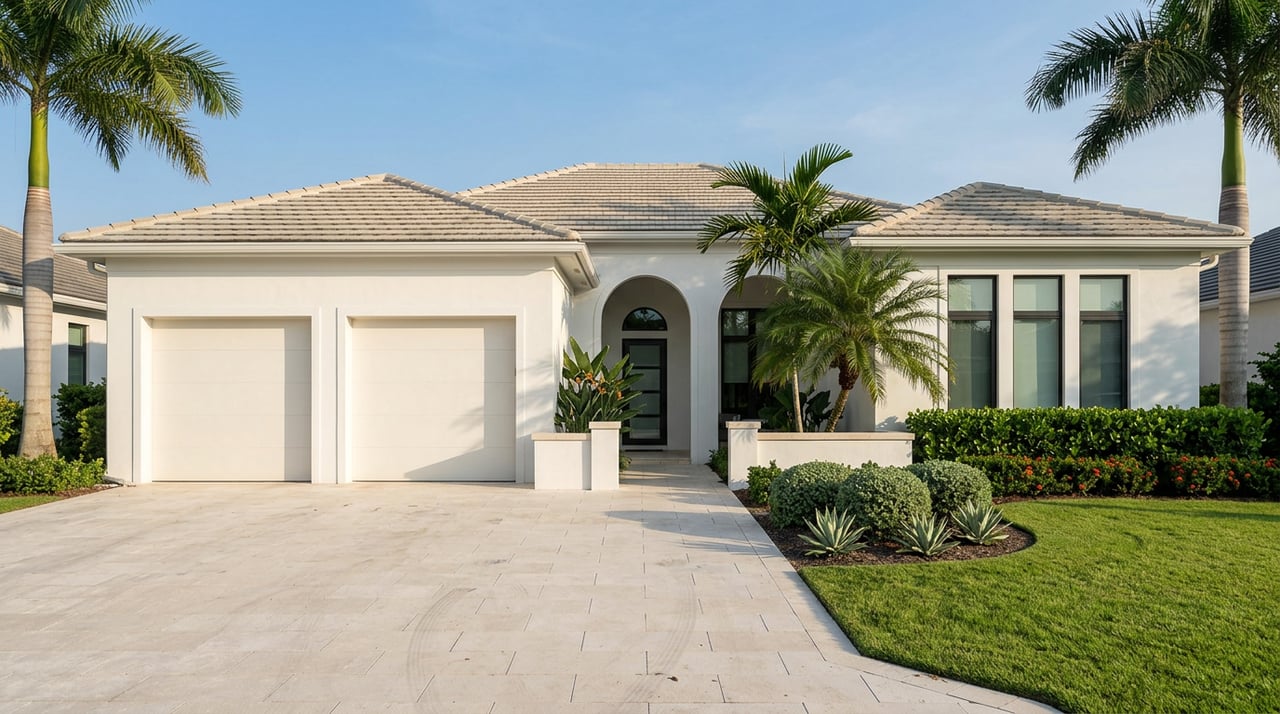
- Inland pockets such as Oakmont, Barrington, and Pinecrest commonly feature late-80s and early-90s Florida/Mediterranean and ranch styles. Many have been modernized inside and out.
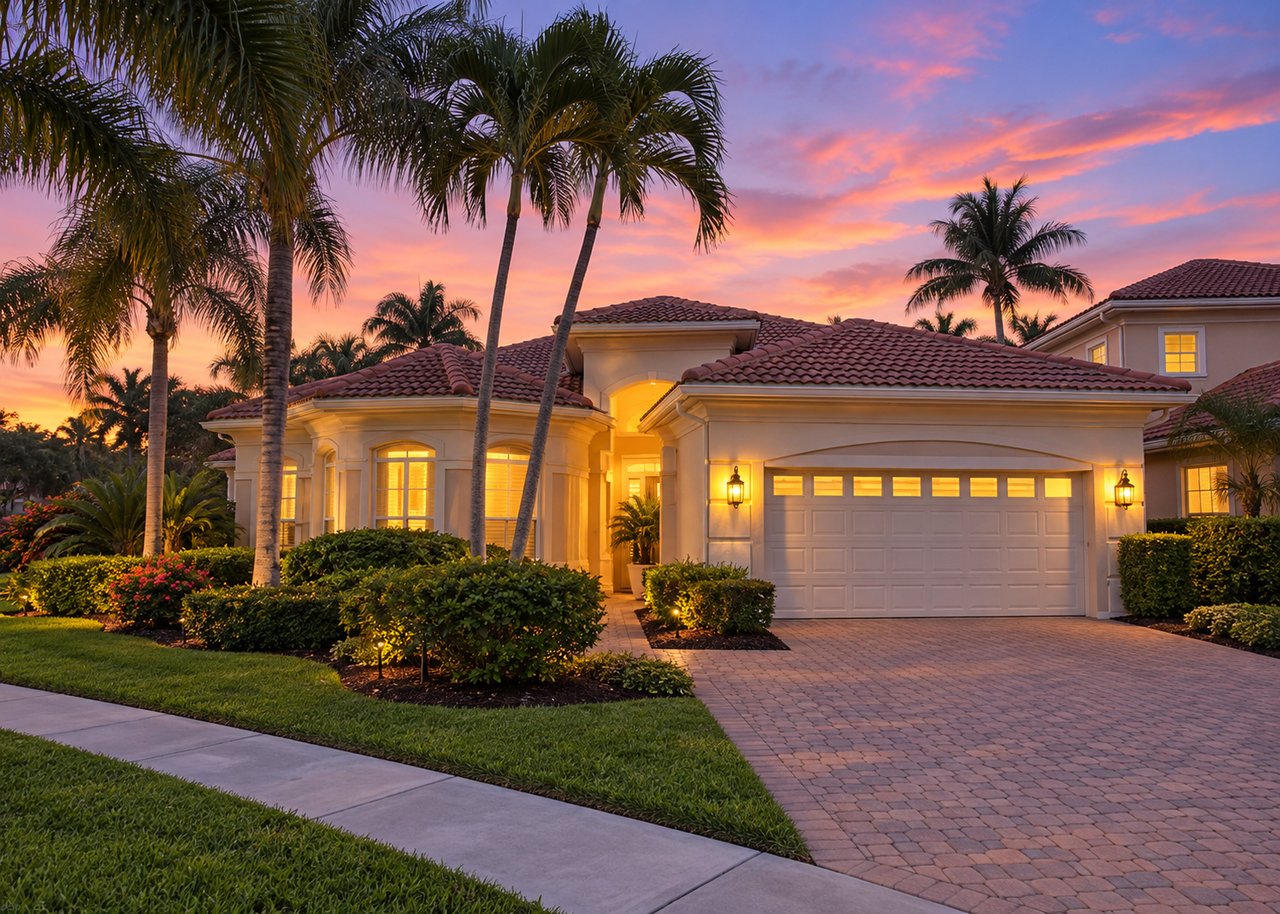
- Bay Colony and its beachfront enclaves show a higher concentration of custom estates, including Mediterranean Revival and large modern coastal designs that can exceed 5,000 square feet.
HOA layers and typical fees
- Two layers are standard. You pay the Pelican Bay Foundation master assessment for community-wide amenities, then you may have sub-association dues for your neighborhood. The Foundation’s website is the best place to understand master-level benefits and policies. Review the Realtors pages on the Pelican Bay Foundation website for current documents and amenity references.
- Listing snapshots across Pelican Bay single-family homes often show combined master and sub-association dues in the low-to-mid thousands per year. Some listings also note a one-time Pelican Bay initiation or buyer obligation at closing, with examples historically ranging from the low thousands to around ten thousand dollars. Treat any number as a point-in-time reference and verify it with the Foundation or the association’s estoppel letter for the home you want.
- Bay Colony operates separate club and, in some cases, golf membership structures that are distinct from the Pelican Bay Foundation assessment. If you are evaluating Bay Colony, request the current membership prospectus to understand initiation and annual dues.
Beach and amenity access
- The Foundation runs two Gulf-front beach access points and a tram system that connects neighborhoods to the berms and beach facilities. Oakmont and Barrington are among the single-family pockets known for especially convenient access to the North tram.
- Bay Colony residents enjoy private beach club amenities in addition to the broader Pelican Bay services. Expect a more exclusive experience and separate membership rules.
Pricing and availability
- As of March 31, 2025, the John R. Wood Monthly Market Report shows an average closed price of about 4.84 million dollars for Pelican Bay single-family homes. This is an average across all sub-neighborhoods and can be skewed by a few very large sales, especially in Bay Colony and estate pockets. You can review this dated snapshot in the John R. Wood neighborhood report for context.
- Practical ranges vary widely by pocket, lot size, and the level of updates. Inland neighborhoods like Oakmont and Barrington typically trade at materially lower prices than Bay Colony beachfront estates, while Pelican Bay Woods can reach estate-level prices depending on the home.
- Inventory is often thin, and the most desirable orientations or larger lots can be rare. If you have a very specific wish list, plan for a watch-and-wait strategy or be ready to act quickly when the right home appears.
Which pocket fits you best?
Use this quick checklist to match your priorities to the right areas:
- If you want larger lots, privacy, and a mature canopy: Look at Pelican Bay Woods and the bigger parcels in Oakmont. Be prepared for fewer listings at any given time.
- If you want the easiest tram access on a smaller neighborhood scale: Include Barrington and Oakmont homes near Oakmont Parkway, trading slightly smaller lots for beach convenience.
- If a private beachfront estate is the goal and budget is flexible: Focus on Bay Colony’s single-family enclaves. Plan for separate club and, if applicable, golf membership costs.
- If you want low-maintenance living near the tram and are open to attached or villa ownership: Consider nearby villa-style pockets or gated mixed communities. While not pure single-family, they can deliver lock-and-leave convenience with excellent beach access.
What to verify before you write an offer
A little diligence up front protects you later. Here’s what to request and review:
Foundation documents and amenity rules. Download the governing documents, amenity overviews, guest card policies, and tram guidance from the official Pelican Bay Foundation site under the Realtors section.
Association estoppel letter. For the specific home, ask for the latest estoppel letter. It should show current dues, any special assessments, transfer or closing fees, leasing minimums, and rental restrictions.
Recent closed comps. Pull 6 to 12 months of closed sales within the same sub-neighborhood. Community-wide averages can mislead, especially when Bay Colony’s high-dollar sales are included. For dated context, you can reference the John R. Wood Monthly Market Report, then rely on micro-neighborhood comps for pricing.
Tram proximity and guest access. Confirm the nearest tram stop, typical travel time to the beach, and any guest card requirements for your household.
One-time and recurring fees. Verify the Pelican Bay Foundation assessment, the neighborhood’s sub-association dues, and any one-time obligations at closing. Treat any number you see on a listing as a snapshot until you confirm it in writing.
Oakmont vs. other pockets: a quick buyer lens
- Value balance: Oakmont often delivers a strong value-to-convenience mix. You can find larger lots than many inland pockets and maintain quick access to the North tram without stepping into beachfront pricing.
- Privacy and scale: Pelican Bay Woods is better if you want an estate setting with custom architecture and larger footprints. Availability is typically tighter and prices can be higher.
- Beachfront lifestyle: Bay Colony is the premium choice for private beachfront estates and club privileges. Expect a separate cost structure for memberships.
- Smaller-scale convenience: Barrington is a practical alternative if you prefer a compact neighborhood and direct North tram proximity.
Work with a local advisor you trust
With layered associations, evolving fees, and sub-neighborhood micro-markets, Pelican Bay rewards careful, local guidance. If you’re weighing Oakmont against Pelican Bay Woods, Barrington, or Bay Colony, you deserve clear comps, accurate fee verification, and a negotiation plan tailored to low-inventory conditions. For a calm, step-by-step approach backed by neighborhood data and a market-leading brokerage, connect with Chad Phipps for buyer or seller representation, new construction guidance, rentals, home valuation, and neighborhood consulting.
FAQs
What makes Oakmont different from Pelican Bay Woods?
- Oakmont typically features quarter- to one-third-acre lots and late-80s to early-90s construction near the North tram, while Pelican Bay Woods offers larger, estate-style lots and a higher share of custom or rebuilt homes.
How close is Oakmont to Pelican Bay’s private beaches?
- Oakmont sits near the North tram access, which connects directly to the private beach facilities managed by the Pelican Bay Foundation. Actual distance varies by street and home location.
How do HOA fees work in Pelican Bay single-family neighborhoods?
- You pay the Pelican Bay Foundation master assessment for community amenities and then any sub-association dues for your neighborhood; verify amounts and one-time charges with an estoppel letter and the Foundation.
What does the latest pricing snapshot say about Pelican Bay single-family homes?
- As of March 31, 2025, the average closed price was about 4.84 million dollars across Pelican Bay single-family sales, a community-wide average that can be skewed by large Bay Colony transactions.
Do Bay Colony residents have different beach and club access?
- Yes. Bay Colony operates private beach club amenities and separate membership structures in addition to broader Pelican Bay services; request the current membership prospectus for details.
What should I verify before making an offer in Oakmont?
- Confirm the Foundation assessment, any neighborhood dues, one-time fees, recent closed comps in Oakmont, tram proximity, and guest card policies using official documents and a current estoppel letter.