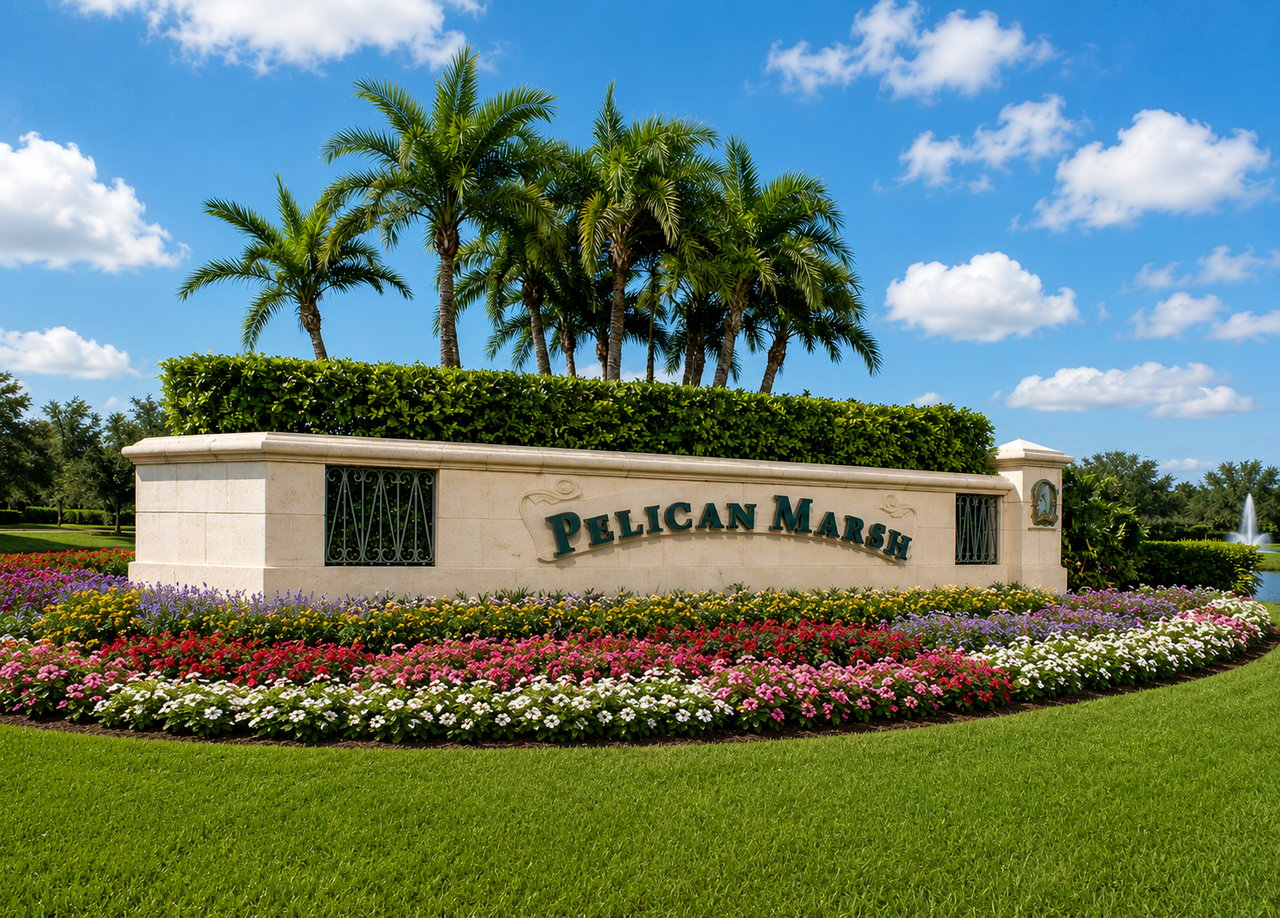
Buying a home from out of town can feel like a leap of faith, especially in a community as layered as Pelican Marsh. You want to know what is really behind the listing photos, what the true costs look like, and whether a home fits the way you plan to live. The good news is that with the right process, you can evaluate Pelican Marsh homes remotely with much more confidence. Let’s dive in.
Understand Pelican Marsh First
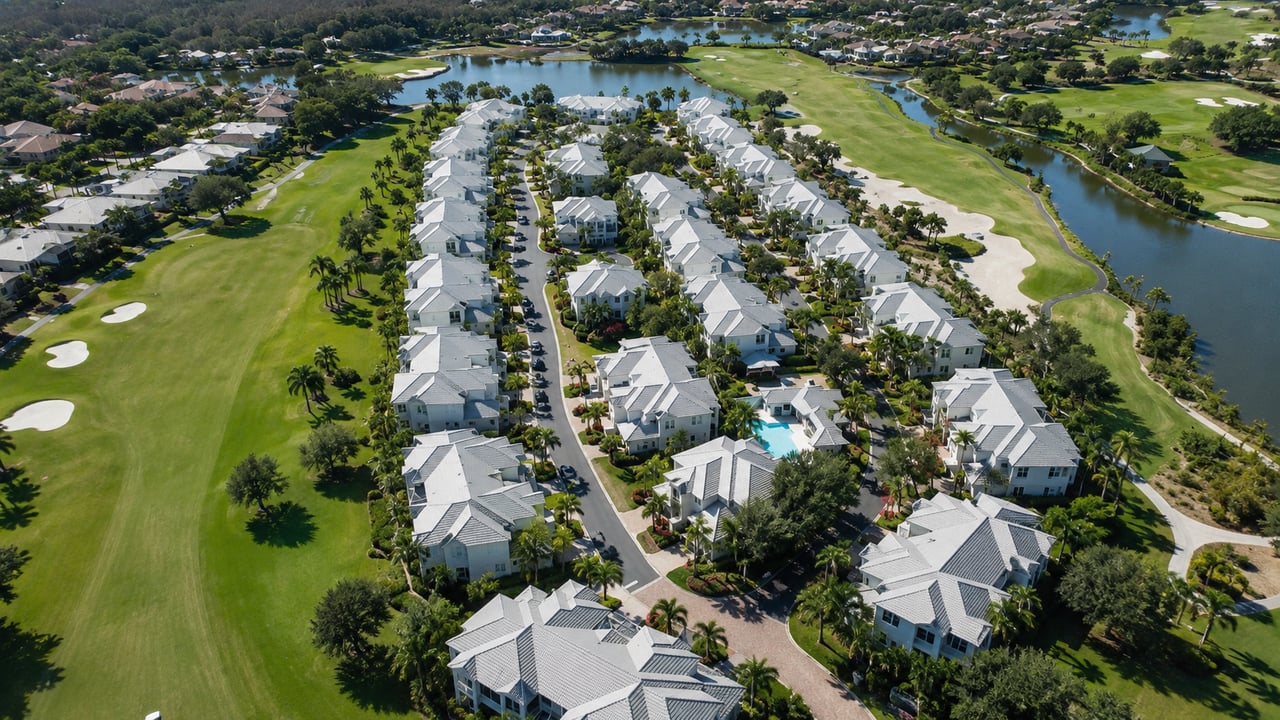
Pelican Marsh is a large master-planned community in North Naples, covering 2,075 acres with more than 3,000 homes. The community includes 26 named neighborhoods with both condominiums and single-family homes, plus 133 acres of nature preserves. It is also about 1.5 miles from the beach, with shopping and dining nearby.
That size and variety matter if you are buying remotely. Pelican Marsh is not one uniform product, and two homes with similar square footage can offer very different surroundings, rules, and ownership costs. Before you compare listings, it helps to know how the community is structured.
Know the Two Governance Layers
One of the most important things remote buyers need to understand is that Pelican Marsh has two main governance layers. The Foundation handles the community center and member amenities. The CDD handles gatehouses, privacy patrols, access control, roads, sidewalks, landscaping, lakes, and water management.
That split affects how you evaluate both lifestyle and carrying costs. A home’s appeal is not just about the house itself. It is also about how the neighborhood functions, what services are included, and which set of documents controls different parts of ownership.
Compare Neighborhoods, Not Just Homes
A common mistake remote buyers make is treating every Pelican Marsh listing as if it sits in the same setting with the same rules. In reality, neighborhood covenants can be more restrictive than the Foundation’s baseline guidelines. That means the exact enclave tied to the address matters right away.
Named neighborhoods in the guidelines include Sweetbay, The Arbors, The Gables, Marsh Links, Augusta, Watercrest, Bay Laurel Estates, and Muirfield at the Marsh, along with other single-family communities such as Grand Isle, Island Cove, Ivy Pointe, Portofino, Savanna, Terrabella, Timarron, Troon Lakes, and Ventura. If you are comparing homes remotely, your first step should be to identify the exact enclave before you decide whether one property is a true alternative to another.
Look at the Setting and View Type
Neighborhood differences often show up in the view corridor and lot setting. Sweetbay includes estate-size sites on the golf course and a water-management lake. The Arbors emphasizes golf, lake, and Cocohatchee Strand views.
Other enclaves lean more toward lake, preserve, conservation, or golf-oriented settings. The Gables, Watercrest, and Bay Laurel Estates emphasize lake, preserve, or conservation surroundings. Marsh Links, Augusta, and Muirfield at the Marsh tend to lean toward golf and or lake views.
For a remote buyer, this matters because the view can shape privacy, natural light, resale appeal, and how you use outdoor space. A listing description may not make those differences fully clear, so it is smart to compare each home by neighborhood identity, lot location, and orientation.
Study Listing Photos More Critically
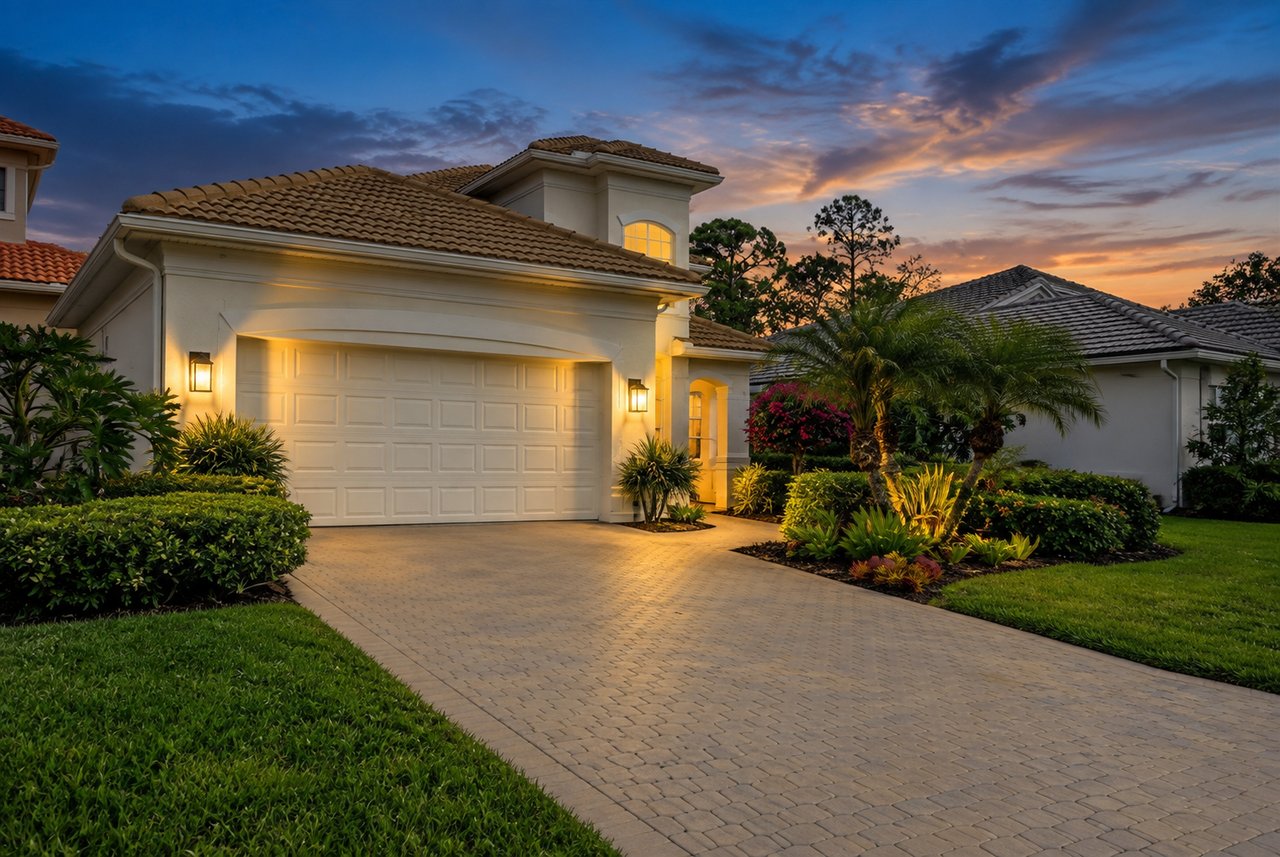
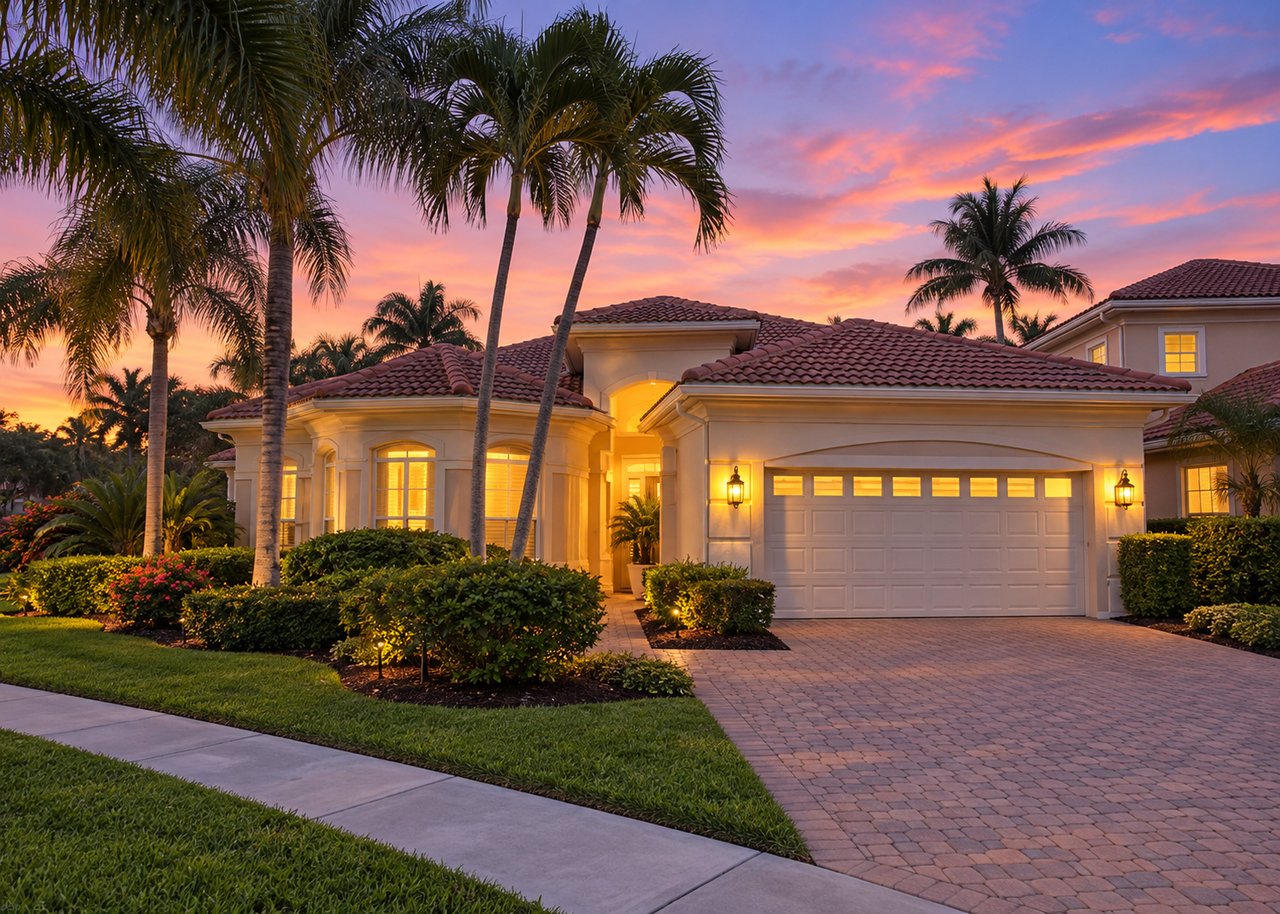
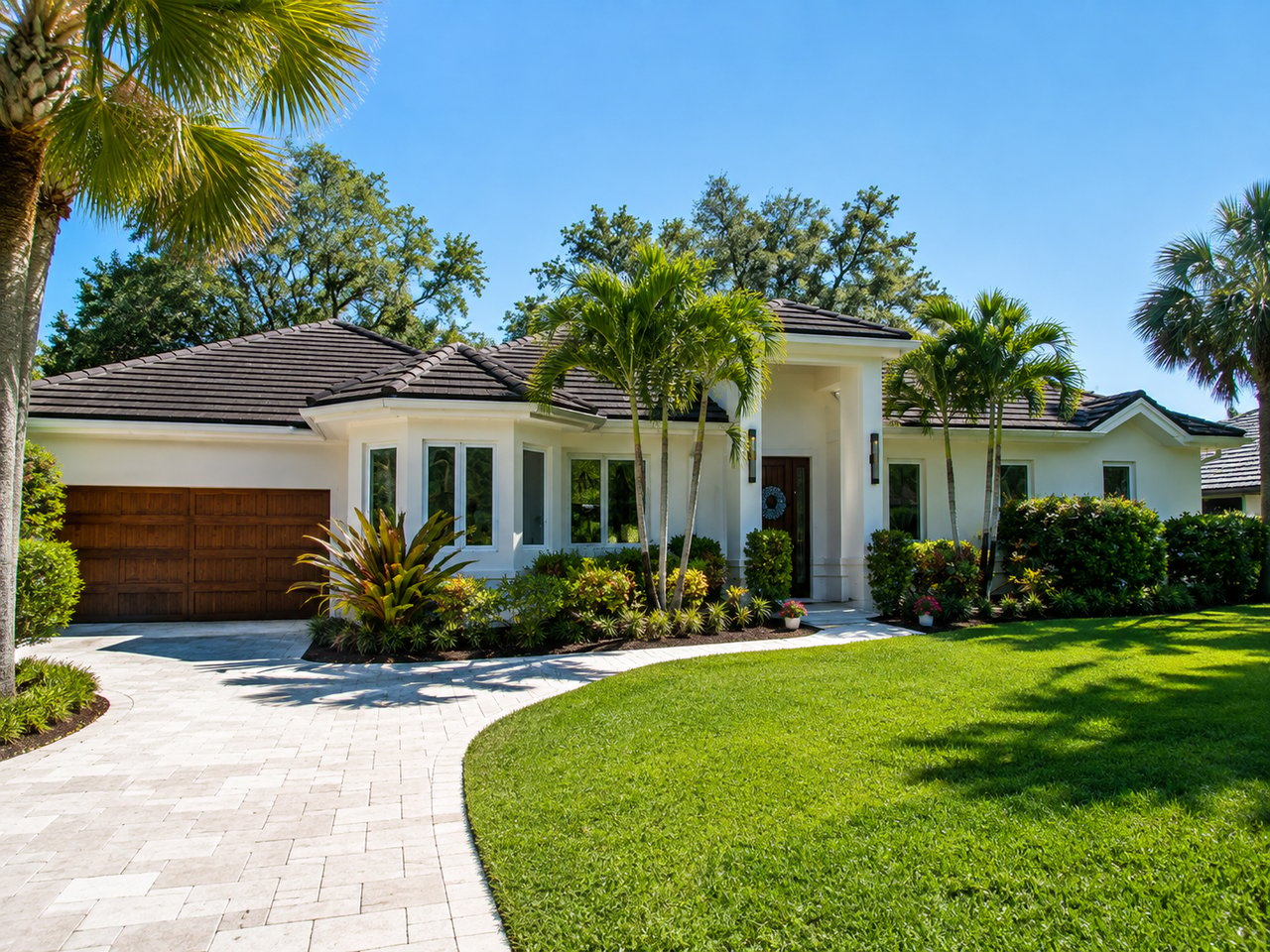
Photos are useful, but in Pelican Marsh they do not always tell the whole story. Community design rules cover a long list of exterior features, including color palettes, shutters, lanais, garage doors, front doors, walls, fences, roofing, landscaping, and tree removal. Golf-course-facing homes can also have extra screened-enclosure and window requirements.
That means a polished listing gallery may leave out some of the details you actually need to see. If you are remote, do not rely only on the hero shots. Ask for a complete exterior photo set so you can evaluate how the home fits within both the neighborhood and the community rules.
Exterior Details to Request
Ask for clear images of:
- The full front elevation
- The rear elevation
- The lanai and pool area
- The driveway surface
- Garage orientation and width
- Side-yard spacing where visible
- Roof lines and exterior condition
- Any golf, lake, or preserve-facing exposures
This is especially important because single-family homes must have attached garages for at least two cars, and carports are not allowed. The design guidelines also note that many driveways must use decorative surfaces rather than plain concrete, asphalt, or gravel. Those details can affect both appearance and future planning.
Ask for a Floor Plan Early
A floor plan is one of the most valuable tools for a remote buyer. It gives you a better sense of flow, room proportion, and functionality than wide-angle photos alone. In a community with many home styles, it also helps you compare properties more objectively.
When you request a floor plan, ask for room dimensions and ceiling heights too. That gives you a more realistic sense of scale and helps you judge whether the home fits your furniture, entertaining style, or seasonal living needs.
What to Check on the Floor Plan
As you review the plan, focus on:
- Bedroom separation and privacy
- Lanai access from main living areas
- Garage access into the home
- Kitchen openness to living space
- Ceiling-height notes
- Window and sliding-door placement
- Outdoor living connection to the pool or view side
In Pelican Marsh, room count alone does not tell the full story. The relationship between the floor plan and the lot setting can be just as important.
Match the Home to the Parcel
Once you have photos and a floor plan, compare them against the parcel map and the recorded property information. Collier County’s Property Appraiser GIS map allows searches by owner name, site address, parcel ID, subdivision, condo, or township-range-section. That makes it easier to confirm the exact parcel and understand how the home sits within the neighborhood.
This step helps you verify whether the visual presentation lines up with the actual site. It can also help you spot corner-lot locations, water-management adjacency, golf exposure, or lot configurations that may not be obvious in listing media.
Verify the Documents Before You Get Too Far
If you are serious about a home, ask for the exact neighborhood covenants tied to that address as early as possible. The Foundation’s public Info & Forms page includes practical buyer documents such as estoppel requests, lease packets, new-owner registration paperwork, DRC guidelines, rules and regulations, and the 2026 approved budget. Some governing documents and financial materials are owner-only, which makes early document requests even more important for remote buyers.
This matters because neighborhood covenants can be more restrictive than the Foundation-wide standards. If you are planning any future exterior updates, or if you simply want to understand use restrictions before you buy, those documents should be part of your evaluation, not an afterthought.
Special Questions for Golf-Facing Homes
If a home is in a golf-facing enclave, ask specific questions about exterior compliance. The guidelines note additional requirements tied to screened enclosures and windows on golf-course-facing homes.
Useful questions include:
- What is the screen color and material?
- Is there window tint or impact glass?
- Were any exterior changes made after original construction?
- Would future exterior modifications require approval?
These are practical questions, not minor details. They can affect both your immediate comfort with the home and your long-term flexibility as an owner.
Calculate the Real Ownership Cost Stack
Remote buyers often focus first on purchase price and monthly dues, but Pelican Marsh requires a more complete cost review. The Foundation’s 2026 approved budget shows an annual operating assessment per unit of $929, an annual cable and internet assessment of $987, and an annual capital assessment of $157. That totals $2,073 per unit annually.
The Foundation also states that bulk cable and internet are included in the annual maintenance assessment and provided through Comcast. Those numbers are useful, but they are only part of the picture. Because the CDD handles major infrastructure and services, the CDD budget should also be part of your carrying-cost analysis.
Separate HOA and Club Costs
It is also important to separate community costs from optional club costs. Pelican Marsh Golf Club is a private, member-owned club, and residency is not required for membership. The club offers Golf, Social, and Dining memberships.
For remote buyers, that means club dues should be treated separately from Foundation and CDD costs when you compare homes. If you plan to join, that is a lifestyle cost to evaluate on top of regular ownership expenses, not inside them.
Confirm Closing and Move-In Steps
A smooth closing matters even more when you are buying from another city or state. The new-owner packet says owners must register after closing and provide the warranty deed and settlement statement. That is a simple detail, but it is exactly the kind of step that can get missed when a purchase is handled from a distance.
You should also keep the Foundation and the CDD separate in your mind during this phase. The CDD manages gatehouses and transponder access, while the Foundation and CDD are different entities. Knowing who handles what can make your move-in and access setup much easier.
Use a Simple Remote-Buying Workflow
If you want to compare Pelican Marsh homes clearly from out of area, keep your process simple and consistent. Start by identifying the exact enclave, then verify the parcel and recorded documents, confirm the full cost structure, and only then judge the home through photos, video, and floor-plan review.
That approach works well because in Pelican Marsh, the neighborhood covenant and view corridor can matter just as much as the room count. A home that looks perfect in photos may be a weaker fit once you factor in its enclave rules, lot position, or ownership costs.
A remote purchase does not have to feel like guesswork. With the right questions and a neighborhood-level review, you can evaluate Pelican Marsh homes in a way that is more informed, more efficient, and much closer to what you would do in person. If you want help narrowing the options and reviewing Pelican Marsh homes with a local, detail-driven lens, connect with Chad Phipps.
FAQs
What should remote buyers verify first in a Pelican Marsh home search?
- First, verify the exact Pelican Marsh enclave for the property, because neighborhood covenants and setting can differ from one section of the community to another.
What documents should remote buyers request for a Pelican Marsh property?
- Ask for the exact neighborhood covenants for the address, along with the Foundation rules and regulations, DRC guidelines, estoppel information, and the current approved budget materials.
What Pelican Marsh costs should remote buyers compare early?
- Compare the Foundation assessments, the CDD budget and services, and any separate optional club membership costs so you can see the full ownership picture.
What photos should remote buyers ask for in Pelican Marsh?
- Request full front and rear exterior photos, lanai and pool images, driveway details, garage orientation, roof lines, and any golf, lake, or preserve-facing views.
Why does the Pelican Marsh neighborhood matter so much to remote buyers?
- The neighborhood matters because Pelican Marsh includes multiple enclaves with different settings, view types, and potentially more restrictive covenants than the community-wide baseline rules.
How can remote buyers check a Pelican Marsh parcel before making an offer?
- Use the Collier County Property Appraiser GIS tools and recorded document search process to confirm the parcel, subdivision details, and public property records tied to the address.